Anirudh Raghunath and Sudharshan R
“It goes! As far as the fence. India incredible!! Rishabh Pant is the star!! India win the test!! They win the series. And they win the hearts and minds of cricket fans all around the world.“
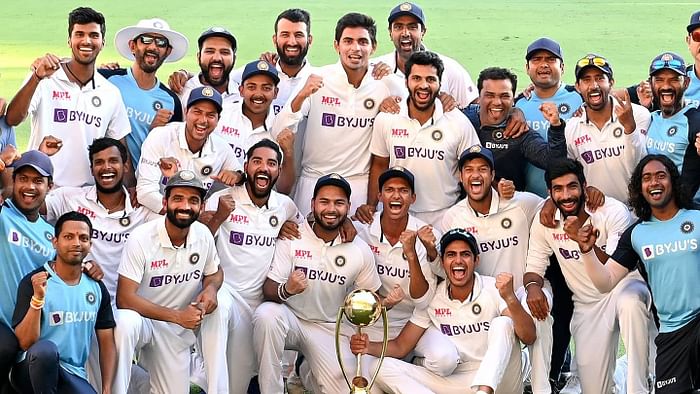
Goosebumps. What a series that was with no one giving India any chance at all. Forget a series victory, many cricket pundits all over the world expected that it’d be a repeat of the disastrous 2011-12 series where India lost 4-0. If you’ve still not figured out which series we’re talking about (if you follow cricket and don’t know about this then have you been living under a rock? And if you don’t follow the sport there’s no better time to get started), yes, it is indeed the famous Border Gavaskar Trophy (BGT) which happened in 2020-2021 in Australia. India famously won this series after losing the first test at Adelaide in a humiliating manner. After being bundled out for a paltry 36 in the second innings, and losing their star batter and captain Virat Kohli for the rest of the series, it required something magical from the Indians to win the series. And that is exactly what happened. With an injury laden team, and only two players managing to play the whole series, what happened in Australia was possibly one of the best advertisements for the purest format of the game.
But let’s take a step back for a moment and look back at what makes the BGT so special. If we look at its history more closely, it is quite easy to actually understand the hype behind this fabled 4 match series. (fun fact- this is the last edition of the BGT with 4 matches. Subsequent series would be a 5 match affair like the Ashes).
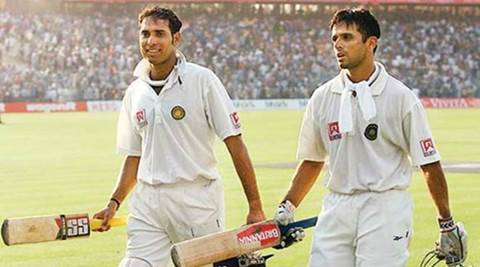
Rewind to the start of this century – For all their might as World Champions and virtually unbeatable everywhere across formats, one achievement eluded the Australians – a test series win in India. With the hopes of conquering the final frontier, they arrived with a star studded team in 2001, which was on a 15 match winning streak. They easily won the first test at Mumbai and equalled the world record for 16 consecutive test victories. Off to Eden Gardens – Australia made 445, India replied with 171. Steve Waugh enforced the follow on, India were down to 129-4. Rahul Dravid, demoted to 6 on the back of consistent failures, walked in to join VVS Laxman. Dravid was famously sledged by the Aussies and was asked whether he would bat at No.12 in the next match. He didn’t respond with his words because his bat would. The pair batted, batted and batted the entirety of Day 4. Australia tried everything but could not break their stand. VVS Laxman made 281 and Dravid scored 180. India declared at 657-7, setting Australia 384 to win, and, more realistically, to bat 2.5 sessions for a draw. Harbhajan Singh and Sachin Tendulkar spun a web around the Aussies, as India registered a famous comeback win. The world record streak was broken. India carried the momentum, won the final test at Chennai and won the series – the final frontier remained unconquered.
` Now fast forward to 2003. Australia were crowned World Champions again after crushing India in the final. India had a star studded batting lineup which was capable of scoring big totals even in adverse conditions. In December that year, India embarked on a tour to Australia. They had lost every series they had played there until then. Following a draw at Brisbane in which India were ahead, they registered a famous win at Adelaide. Australia lost after scoring 556 in the first innings, as India responded with 523 and a six wicket haul from Agarkar bundled Australia out for 196 in the second innings. Australia hit back at Melbourne with a big win, while a run fest at Sydney ended in a draw. India, for the first time, were able to draw a series in Australia.
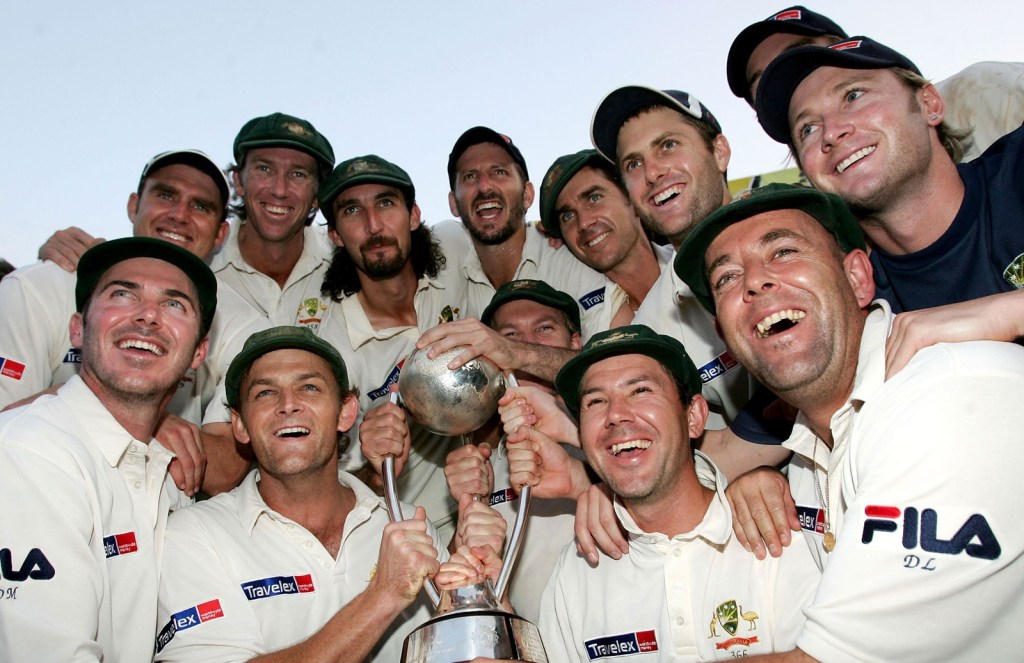
A year later, Australia had another crack at the final frontier – this time they actually succeeded. They registered dominant wins in Nagpur and Bengaluru, which were separated by a draw at Chennai – the final day washed out with India in a dominant position to claim a win. Australia had sealed the series by the third test. India registered a consolation victory in a low scoring game at Mumbai in which Australia famously failed to chase 107 in the fourth innings. Everything changed by the time these two teams met next – Australia had lost the Ashes in 2005 in a series for the ages, before sweeping England 5-0 at home in the return series in 2006-07. Once again, Australia were crowned World Champions in 2007. Following a humiliating group stage exit in CWC 2007, India found a new leader in MS Dhoni as he led India to a famous victory in the inaugural World T20. Dhoni was handed the leadership in ODIs too, but the selectors appointed Anil Kumble as test captain.
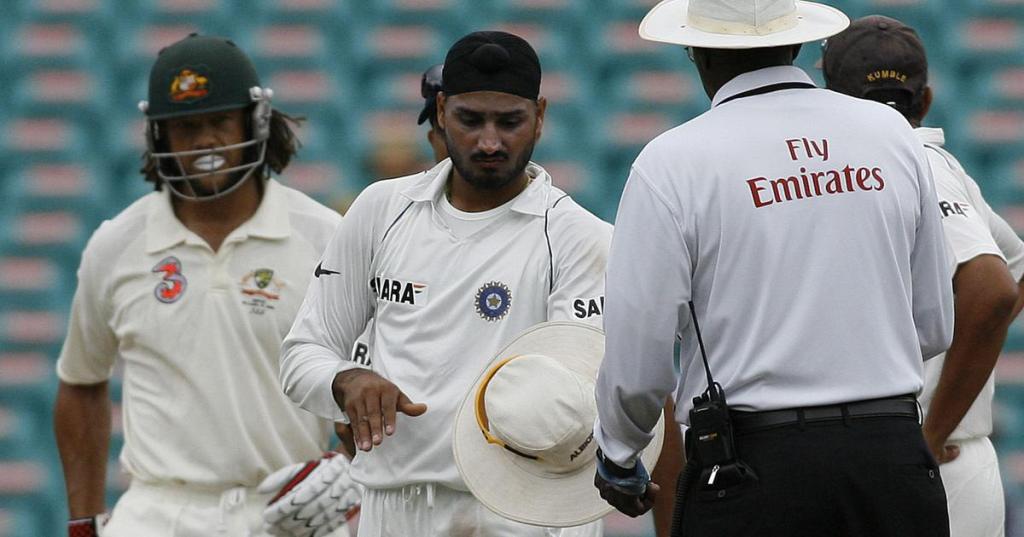
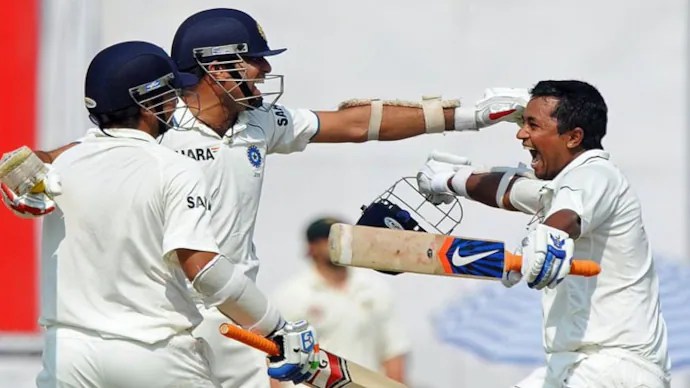
In December 2007, India traveled to Australia. They suffered a crushing defeat in the series opener at Melbourne. In the New Year’s Test at Sydney, a scandal erupted – poor umpiring had the Indians seething. The umpires gave several poor decisions against India, meanwhile tensions soared between the players, especially Andrew Symonds and Harbhajan Singh. The visitors collapsed to a stunning defeat with minutes left on the clock, giving Australia their 16th consecutive test win. Post this match, India threatened to withdraw from the tour unless Steve Bucknor was removed from the umpiring panel. Eventually they got their way, but still seething with anger, India stunned the hosts at their most favored venue – Perth, once again denying the Aussies the world record 17th win. The final test was a draw, and Australia completed a series win. Later that year, it was time for the return series. What was expected to be a competitive series petered out to an easy 2-0 win for the hosts. Saurav Ganguly and Anil Kumble retired, MS Dhoni took over – he would eventually lead India to the World No.1 rank for the first time in Dec 2009. Australia entered a transition phase post retirements of their legends. Ricky Ponting’s form was on the decline, and in 2010, India clean swept Australia in a two match test series. This series is known for the Mohali Test, in which an injured VVS Laxman famously added 92 runs after the fall of 8th wicket in the company of Ishant Sharma and Pragyan Ojha to lead the hosts to a one wicket win.
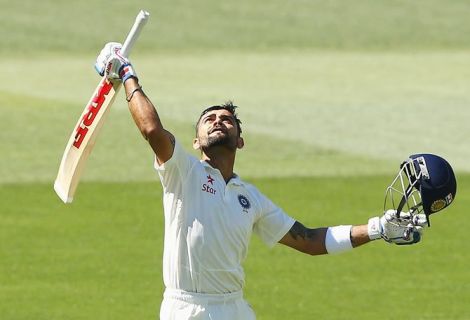
Post the high of 2011 World Cup victory at home, India suffered a stunning reversal of fortunes in test cricket. India were clean swept 4-0 in England in July-August 2011, with only Rahul Dravid standing tall with the bat. Four months later, the misery compounded as it went from bad to worse for the Indian team – another clean sweep, this time down under, with multiple innings defeats. But it led to the emergence of a star – with a 75 at Perth and 116 at Adelaide which was the only ton by an Indian in that series, Virat Kohli emerged as Indian Cricket’s next big thing.
To be Continued...
 Cricket HD
One response to “Fabled tales of the Border Gavaskar Trophy – Part 1”
One of the best❤️.
LikeLike